
Late August through October marks a turning point for pest activity across central New Jersey. Nighttime temperatures begin to drop. Soil dries out. Food sources in yards and fields start to thin. For crickets and mice, these shifts trigger a predictable move — straight toward the nearest heated structure.
Homeowners in Ocean, Monmouth, and Middlesex counties deal with this pattern every year. What starts as one or two sightings in September can become a serious problem by November if nothing is done. Here is a closer look at what drives this seasonal invasion and how it can be stopped early.
What Triggers the Fall Migration Indoors
Crickets and mice respond to different environmental cues, but the timing overlaps almost perfectly in New Jersey.
Crickets
Field crickets and camel crickets spend the summer breeding outdoors in mulch beds, woodpiles, leaf litter, and tall grass. As overnight lows dip below 55 degrees, these insects lose the warmth they need to stay active outside. They gravitate toward foundation walls that radiate stored heat from the day. Gaps around basement windows, utility pipes, and garage doors give them a direct path inside.
Camel crickets are slightly different. They move indoors when outdoor conditions become too dry rather than too cold. A stretch of low rainfall in late summer often pushes them into basements and crawl spaces where humidity levels remain higher.
Mice
House mice and white-footed mice begin scouting for indoor shelter as early as September. A mouse can squeeze through an opening the size of a dime. Cracks along foundation sill plates, gaps around dryer vents, and spaces beneath garage doors are the most common entry points in homes across Brick, Toms River, and Lakewood.
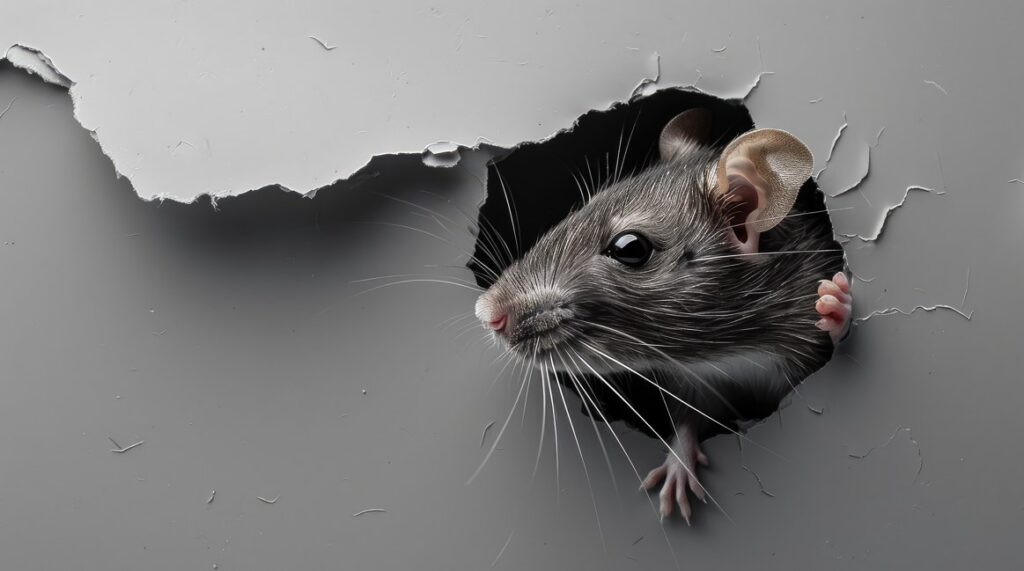
Once a single mouse finds a way in, others follow the same scent trail. A breeding pair can produce several litters before spring. By December, a home that had one mouse in September may be hosting dozens inside wall cavities, attic insulation, and storage areas.
Why These Two Pests Often Appear Together
Crickets and mice share a preference for the same indoor environments. Both are drawn to dark, undisturbed spaces with access to moisture. Basements, crawl spaces, utility rooms, and cluttered garages check every box.
There is also a direct connection between the two. Mice eat crickets. A basement full of camel crickets becomes an active food source that encourages mice to stay and nest rather than move on. Addressing one pest without treating the other often leads to repeated problems throughout the fall and winter months.
Where the Problems Show Up First
Basements and Crawl Spaces
Unfinished basements with exposed block walls and dirt-floor crawl spaces are the first areas affected. Crickets settle into corners, behind storage boxes, and along sill plates. Mice nest inside fiberglass insulation, behind water heaters, and in gaps around ductwork.
In many Ocean County homes, especially older construction near the bay or along the Toms River corridor, crawl space moisture levels stay high enough to attract both pests well into winter.
Garages and Sheds
Attached garages with poor door seals are a common staging area. Crickets and mice enter the garage first, then work their way into the living space through interior wall gaps and utility chases. Detached sheds that store pet food, birdseed, or holiday decorations are also frequent targets.
Kitchens and Pantries
Mice that gain interior access head for food. Droppings along baseboards, chewed packaging, and greasy rub marks along wall edges are the telltale signs. Kitchens in commercial buildings along Route 9 and Atlantic City Boulevard face the same pressure, with added risk to health code compliance, and may also see issues with winter ant infestations in New Jersey and their control.
The Damage That Follows
Crickets chew through stored fabrics, cardboard, wallpaper, and paper goods. A population of field crickets in a basement storage area can ruin seasonal clothing and packed linens over several weeks.
Mice cause more severe damage. They gnaw on electrical wiring, which creates a documented fire risk. They contaminate food with droppings and urine. They shred insulation to build nests, reducing energy efficiency. In New Jersey, white-footed mice are also the primary host for black-legged ticks that carry Lyme disease. A mouse population living inside wall voids can introduce ticks directly into the home, which is why many residents rely on Callahan’s highly rated pest control services.
How Callahan’s Handles Fall Pest Pressure
Our approach treats crickets and mice as a connected problem rather than two separate issues. Inspections cover both interior harborage areas and exterior entry points. Treatment plans include crack and crevice applications for crickets, targeted rodent control measures, and exclusion work to seal the gaps that allowed access in the first place, all delivered through specialized pest control services in Monmouth and Ocean Counties.
Quarterly service plans are adjusted each fall to account for the seasonal spike. Homes that receive customized pest management services to eradicate and prevent pests in September and October see significantly less activity through the winter compared to those that wait until infestations are already established.
Steps to Take Before the First Cold Night
A few actions taken in late summer go a long way toward reducing fall pest entry.
Firewood should be stored at least 20 feet from the house. Leaf litter and mulch should be pulled back from foundation walls. Door sweeps on exterior and garage doors should be inspected and replaced if worn. Gaps around pipes, vents, and cable lines entering the structure should be sealed with steel wool or caulk.
Indoors, a dehumidifier in the basement removes the moisture that camel crickets depend on. Reducing clutter in storage areas eliminates hiding spots for both crickets and mice.
Do Not Wait for the Problem to Grow
Fall pest invasions escalate quickly. Crickets that enter in September are already laying eggs by October. Mice that find shelter in early fall are breeding by mid-November. The longer treatment is delayed, the harder and more expensive the problem becomes to resolve.
Call 732-899-3030 or Contact Us for Pest Removal Services for your NJ Home or Business
Related Posts