Cooler nights bring more than falling leaves to central New Jersey. They also bring stink bugs indoors, searching for a warm place to spend the winter.
Homeowners across Ocean and Monmouth County often notice the shift by late August, well before the calendar says autumn has arrived.
Why Stink Bugs Move Indoors
The brown marmorated stink bug is not native to New Jersey. It arrived from Asia decades ago and has since spread across nearly every state. Unlike many insects that die off in winter, stink bugs survive by entering a resting state called diapause. To do this, they need shelter from freezing temperatures.
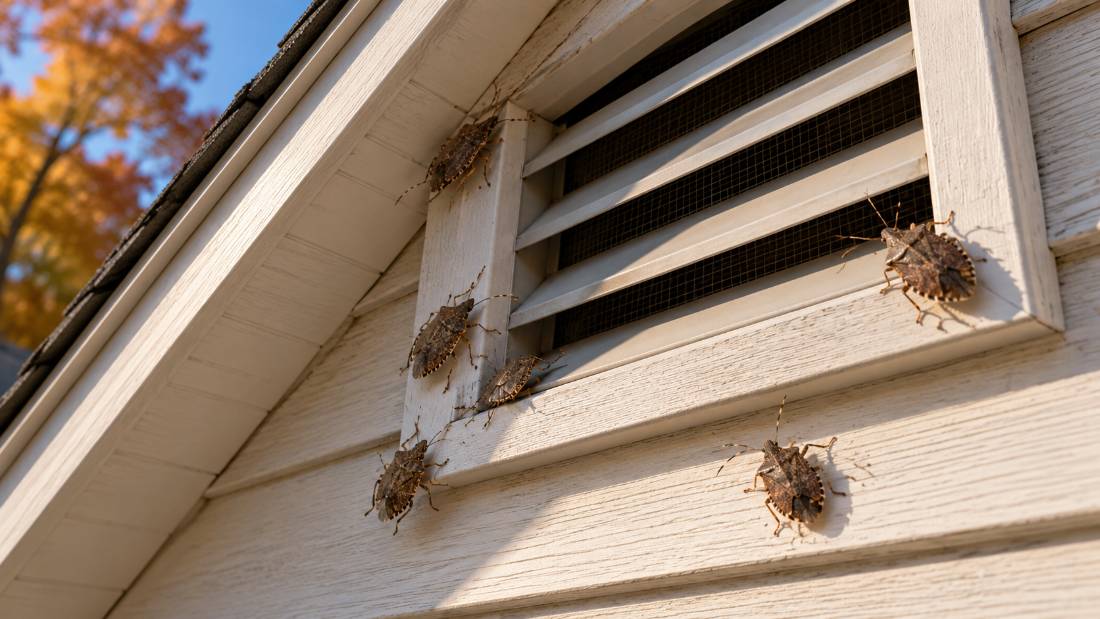
Homes provide exactly that. Attics, wall voids, and window frames stay warmer than the outdoors, making them ideal hiding spots. Once inside, stink bugs settle in and wait out the cold. As a result, a few sightings in September can turn into dozens by November if entry points are not sealed.
Signs of a Stink Bug Problem
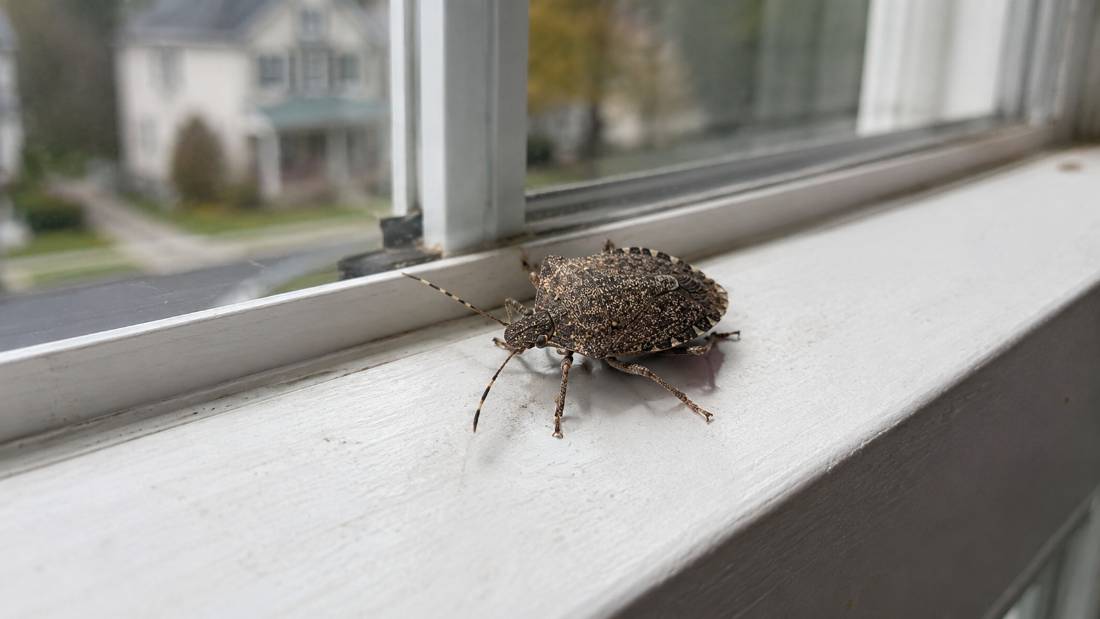
Stink bugs are easy to identify by their shield-shaped bodies and mottled brown coloring. They tend to cluster near sunny windows, light fixtures, and attic spaces. A strong, unpleasant odor is often the first clue something is wrong, since the insects release it when disturbed or crushed.
Unlike termites or carpenter ants, stink bugs cause no structural damage. However, large numbers indoors become an ongoing nuisance for the rest of the season. Homeowners in coastal towns and inland neighborhoods alike report the same pattern each fall.
Why Squashing Them Backfires
It might seem natural to reach for a shoe or a tissue, but that approach usually makes things worse. Crushing a stink bug releases its defensive odor, which can linger in carpets and fabric for hours. Vacuuming is not much better, since the smell often spreads through the vacuum itself.
The better method is a gentle capture and release outdoors, or professional treatment that addresses the source of the problem rather than one bug at a time.
How to Keep Stink Bugs Out
Prevention works best when it starts before the bugs arrive in large numbers. A few habits make a real difference throughout the season.
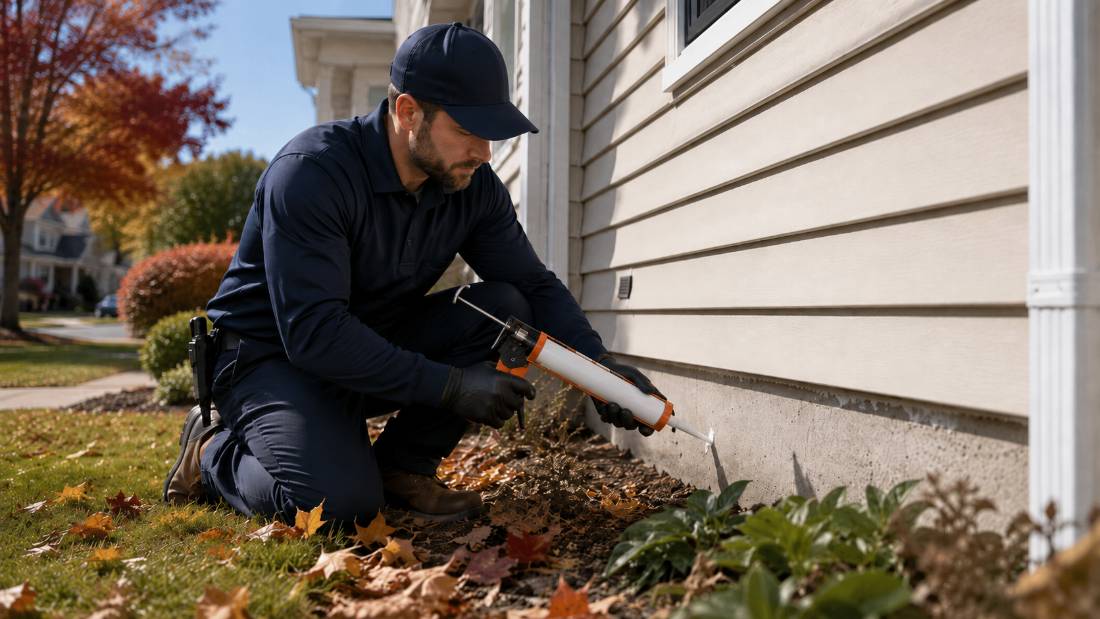
Seal Common Entry Points
Stink bugs squeeze through gaps as small as a pencil eraser. Caulking around windows, doors, and utility lines closes off their easiest routes inside. Attic vents and chimney caps deserve a check as well, since both are common overlooked entry points.
Treat the Exterior Early
A perimeter treatment applied before bugs begin seeking shelter creates a barrier they encounter before reaching the walls. Early fall is the ideal window for this step, since it targets the bugs while they are still outdoors and searching.
Reduce Outdoor Attractants
Trimming vegetation away from siding and keeping firewood stacked away from the house both reduce staging areas near entry points. These small changes add up over a full season.
When to Call a Professional
A handful of stink bugs on a windowsill is manageable on its own. A recurring pattern year after year usually points to gaps or openings that need a trained eye to find. Callahan’s Termite & Pest Control has served Ocean, Monmouth, and Middlesex County families since 1991, and Mike and Sue Callahan’s team has seen firsthand how these seasonal invasions play out across different housing types in the area.
A professional inspection identifies the specific entry points on a given property, rather than applying a one-size-fits-all fix. Combined with a timely exterior treatment, this approach keeps stink bug numbers manageable well into winter.
For homeowners ready to address the problem before it grows, Callahan’s pest control services cover seasonal invaders like stink bugs alongside year-round pest pressures. A look at the seasonal prevention checklist is also a useful next step for households wanting to get ahead of fall pests. Residents can request a free estimate to schedule an inspection before the season’s first hard frost.
Request a free estimate or call 732-899-3030 to schedule a Stink Bug Treatment For your New Jersey property
Related Posts