July is the month when most tick bites happen in New Jersey. The nymphs that have been developing since spring are now fully active. They are small enough to go unnoticed and mobile enough to reach any part of a yard or trail.
For families in Toms River, Brick, Howell, Freehold, and surrounding communities, that matters. Ocean County recorded 570 Lyme disease cases in 2025 alone. Monmouth County consistently ranks among the highest in the state year after year. These are not numbers from remote wilderness areas. They come from residential neighborhoods, neighborhood parks, and backyard edges that border wooded lots.
Why July Carries the Highest Risk
Blacklegged ticks — the species that transmits Lyme disease — go through three active life stages: larva, nymph, and adult. Nymphs are the most dangerous stage for human transmission. They are roughly the size of a poppy seed, which makes them extremely easy to miss during a post-outdoor body check.
Nymphs are most active from May through August. July falls at the center of that window. At the same time, families are spending more time outside. Cookouts, yard work, sports, and beach days all increase contact with tick habitat. That combination of peak tick activity and peak outdoor exposure is what makes July the highest-risk month of the year.
By contrast, adult blacklegged ticks — which are easier to see and remove — are more common in fall and early spring.
What Summer Looks Like in Monmouth and Ocean County
The landscape of central Jersey in July creates ideal conditions for ticks. Tall grasses along the edges of properties in Jackson, Howell, and Manalapan are at their most overgrown. Wooded lot borders in Toms River’s older neighborhoods are thick with undergrowth. Leaf litter from last fall is still decomposing in shaded corners.
Near the shore, neighborhoods like Silverton and Point Pleasant have wetland and marsh edges that maintain the humidity ticks need to survive. Inland communities bordering the Pinelands — Lacey Township, Manchester, and Barnegat — face pressure from dense deer populations that carry ticks across wide areas.
Shore rental properties add another layer of exposure. Guests arriving for summer weeks bring pets. Pets move through landscaping, dunes, and adjacent lots. Ticks hitch a ride inside with them.
The Three Situations Where Bites Most Often Happen
Understanding where and how bites occur helps prioritize precautions. In Ocean and Monmouth County, three situations account for most July tick exposures.
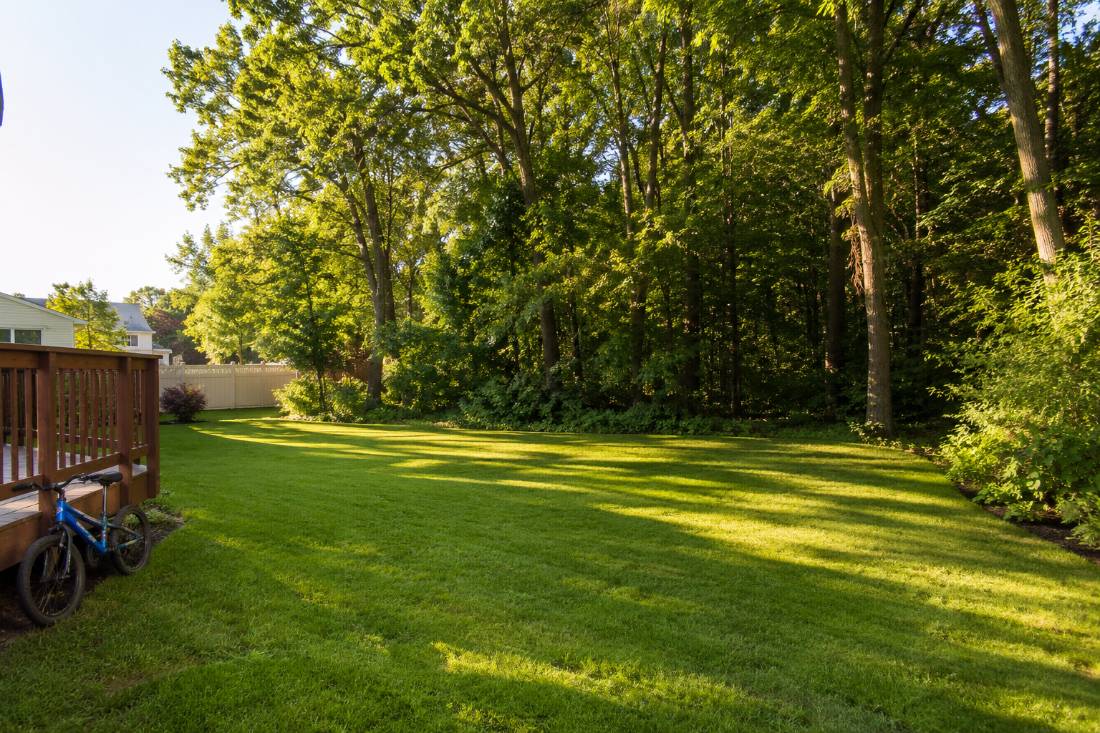
First, yard edges are the most common site of exposure. Ticks do not patrol open lawns in full sun. They wait on low vegetation at the transition between maintained grass and taller growth. A child or dog walking through that border is a likely target.
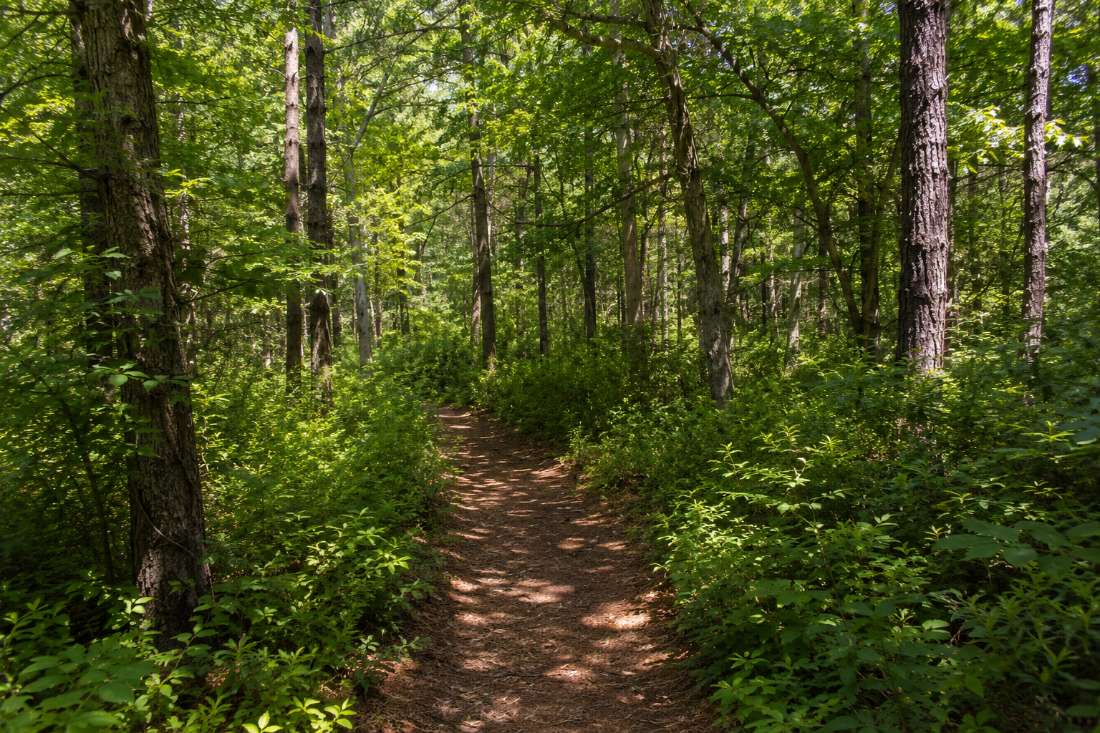
Second, wooded trails through parks and nature areas carry concentrated risk. Cattus Island County Park in Toms River, Turkey Swamp Park in Freehold Township, and the Pinelands trail networks all have established tick populations. Staying on the center of trails and avoiding brushing vegetation reduces contact significantly.
Third, ground-level yard features — woodpiles, stone walls, dense ground cover plantings, and areas under decks — harbor ticks between feedings. These are spots where shade and moisture persist through summer heat.
What to Do After Coming Inside
Prompt action after outdoor time significantly reduces the risk of disease transmission. Blacklegged ticks generally need to be attached for 36 to 48 hours before they can transmit Lyme bacteria. Finding and removing a tick within that window is highly protective.
After outdoor activity, check the body thoroughly. Ticks favor warm, hidden areas — behind the knees, around the waistband, in the hairline, and in the armpits. Children need to be checked carefully after playing in yards or parks. Dogs should be examined before they come indoors, particularly around the collar, between the toes, and under the tail.
Clothing can also carry ticks indoors. Putting worn outdoor clothes directly into a dryer on high heat for ten minutes kills ticks before they have a chance to find a new host.
How Professional Yard Treatment Changes the Numbers
Reducing tick pressure in the yard directly reduces the number of times a family member or pet is exposed to a potentially infected tick. That is a straightforward return on the investment of professional treatment.
Callahan’s tick pest control service targets the zones where ticks concentrate — lawn-to-woods borders, shaded beds, around woodpiles and stone walls, and beneath deck structures. Treatment is applied to address ticks at multiple life stages, including the nymph stage that carries the highest transmission risk in July.
One point worth noting: tick control and rodent control are connected. White-footed mice are the primary reservoir for Lyme bacteria in the northeast. Larval ticks feed on infected mice and carry that bacteria into the next life stage. A property with a mouse problem is almost always a property with elevated tick risk. Addressing both issues together through Callahan’s pest control services provides stronger overall protection.
For properties with heavy deer traffic — common in Howell, Freehold, and wooded parts of Jackson — perimeter treatment combined with habitat modification provides the best results through the remainder of the summer.
A Few Practical Steps That Help Right Now
Mow lawn edges and any areas where grass meets taller vegetation. Trim shrubs and ground cover along fence lines and foundation borders. Move woodpiles away from the house if they are currently stored close to the structure.
These adjustments are most impactful when made before mid-July, when tick nymph populations begin gradually declining ahead of fall. Acting now also gives professional treatment products more time to work across the peak exposure window.
July does not have to mean avoiding the yard. Knowing where the risk concentrates, checking carefully after time outside, and reducing tick habitat on the property goes a long way toward keeping the season safe.
Request a free estimate or call 732-899-3030 to schedule a tick inspection
For your New Jersey property
Related Posts